Were you trying to find selective information about Should I Repair or Replace a Leaky Faucet??
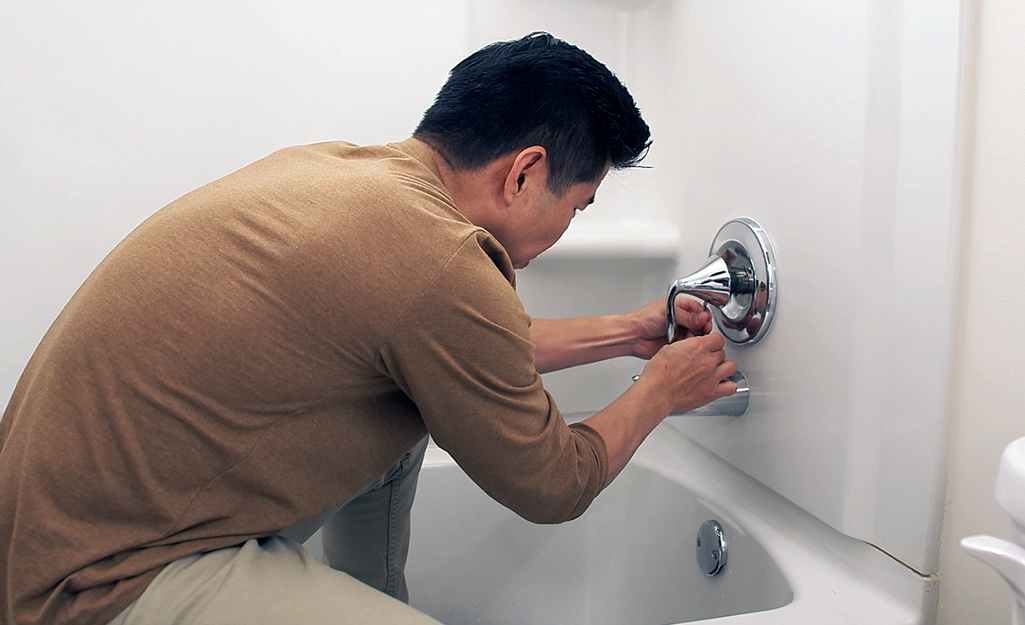
Trickling faucets might appear like a small aggravation, but their impact exceeds just the aggravation of the sound. From wasting water to sustaining unneeded financial costs and health dangers, disregarding a dripping faucet can cause various repercussions. In this post, we'll look into why it's crucial to address this common home issue quickly and efficiently.
Waste of Water
Environmental Impact
Dripping taps add dramatically to water wastefulness. According to the Environmental Protection Agency (EPA), a single tap trickling at one drip per second can squander greater than 3,000 gallons of water each year. This not only strains water sources however likewise affects ecosystems and wild animals dependent on them.
Step-by-Step Overview to Repairing a Dripping Tap
Tools Called for
Before trying to repair a trickling tap, gather the essential tools, including a flexible wrench, screwdrivers, substitute parts (such as washers or cartridges), and plumber's tape.
Typical Tap Issues and Their Solutions
Recognize the type of faucet and the particular problem triggering the drip. Usual troubles include worn-out washers, corroded valve seats, or malfunctioning O-rings. Describe supplier guidelines or on-line tutorials for detailed advice on fixings.
Financial Prices
Raised Water Costs
Past the ecological effect, leaking faucets can inflate water bills considerably. The gathered waste in time translates right into greater utility expenses, which can have been prevented with timely fixings.
Prospective Building Damage
Moreover, long term leaking can lead to damage to components and surfaces bordering the faucet. Water buildup can trigger discoloration, corrosion, and also structural concerns if left unattended, leading to additional repair work prices.
Health Worries
Mold And Mildew and Mildew Growth
The consistent presence of wetness from a trickling tap creates an excellent atmosphere for mold and mildew and mildew growth. These fungis not only compromise interior air quality however also present health dangers, particularly for individuals with respiratory system conditions or allergies.
Waterborne Illness
Stationary water in dripping faucets can end up being a breeding place for microorganisms and other pathogens, boosting the threat of waterborne conditions. Contaminants such as Legionella bacteria thrive in stagnant water, possibly leading to serious diseases when ingested or inhaled.
DIY vs. Professional Repair
Pros and Cons of DIY Repair Work
While some might try to fix a leaking faucet themselves, do it yourself fixings come with their own set of difficulties. Without appropriate knowledge and devices, do it yourself efforts can exacerbate the issue or bring about insufficient repair work, extending the problem.
Advantages of Employing an Expert Plumber
Hiring a specialist plumber makes sure that the underlying cause of the leaking faucet is resolved efficiently. Plumbings have the knowledge and equipment to identify and fix faucet problems effectively, conserving time and lessening the risk of more damage.
Ecological Responsibility
Private Contribution to Conservation
Taking duty for fixing leaking taps aligns with broader efforts toward water conservation and environmental sustainability. Every person's activities jointly make a substantial influence on maintaining valuable resources.
Sustainable Living Practices
By prioritizing timely fixings and adopting water-saving behaviors, people contribute to lasting living methods that benefit both present and future generations.
Safety nets
Regular Upkeep Tips
To stop trickling taps, execute regular maintenance such as cleaning aerators, checking for leaks, and replacing damaged components immediately. Additionally, think about installing water-saving devices or updating to more reliable components.
Value of Prompt Repair Works
Resolving dripping faucets as soon as they're observed prevents more water wastefulness and potential damage, eventually saving both water and money over time.
Effect On Residential Or Commercial Property Value
Perception of Well-Maintained Home
Preserving a residential property in good condition, consisting of attending to maintenance issues like dripping taps, improves its viewed value and worth amongst prospective buyers or tenants.
Impact on Resale Value
Characteristics with well-maintained plumbing components, including taps, command higher resale worths in the realty market. Addressing trickling faucets can add to a positive impact during building assessments and settlements.
Verdict
Dealing with a trickling faucet exceeds plain convenience; it's a necessary step toward saving water, lowering financial expenses, and securing wellness and home. Whether with do it yourself fixings or professional help, doing something about it to fix dripping faucets is a small yet impactful way to promote responsible stewardship of resources and contribute to a healthier, more lasting future.
Most Common Reasons for a Leaky Faucet and How to Stop the Drip
Whether it’s your kitchen faucet leaking or a bathroom faucet leaking, one leaky faucet can waste anywhere from three to 30 gallons of water every single day. If the constant drip-drip-drip doesn’t get your attention, your water bill will. The good news is that, by following a few simple steps, chances are pretty good you can fix the problem yourself.
Why is it dripping?
Before you start taking things apart, let’s break down some of the most common causes of a leaky faucet.
Bad O-ring.
A cartridge is a valve that controls the flow of water into the faucet spout. On cartridge faucets there’s an O-ring—the little disc attached to the stem screw that holds the faucet handle in place. If it’s loose or worn-out, it can cause your sink handle to leak. Of course, the cartridge itself could be worn out. If that’s the case, make sure you replace it with the exact same kind.
Corroded valve seat.
The valve seat connects the faucet and the spout. If the leak seems to be coming from the spout, it might be because a buildup of water sediment has corroded the valve seat.
Worn-out washers or seals.
A leaky spout could be caused by a bad washer that rests against the valve seat. It’s just a matter of time before friction takes its toll. It could also be the wrong size washer or one that’s been installed incorrectly. Water sediments can also corrode inlet and outlet seals.
Water pressure.
If the faucet only drips now and then, or when you turn the handles a certain way, you should probably check your home’s water pressure.
Loose or broken parts.
The adjusting ring and packing nuts in the stream screw can become loose over time, causing your sink handle to leak. Try tightening or replacing the packing nut. If the leak is coming from the pipes underneath the sink, you probably have a broken pipe or fitting. If that’s the case, you should definitely call a plumber.
Know your faucet.
Faucets come in a variety of types. Each one has its own assembly—and its own possible causes of leaks. Learning about the four most common kinds of faucets will help you know how to take them apart and make any repairs.
How to stop a leaky faucet
Fixing that leaky faucet doesn’t have to take a lot of time, money, or expertise. It’s usually a simple matter of replacing a worn-out washer or gasket, a loose O ring, or another part. Chances are really good you can do this yourself if you follow these simple steps.
Shut off the water.
Before you tackle the faucet, cut off the water supply to the sink. There should be one valve for hot and one for cold. Hand-turn them clockwise with your hands till they close. If there are no valves under the sink, head to the basement and shut off the main water supply to the house. Then turn on the faucet until it empties out the water that’s still in the line and you’re ready to start. It’s a good idea to cover the sink drain with a plug or a rag so you don’t lose any small pieces and parts while you’re working.
I'm just very occupied with Should I Repair or Replace a Leaky Faucet? and I really hope you enjoyed the blog post. Enjoyed our blog posting? Please quickly share it. Help someone else check it out. Thanks for taking the time to read it.